Aging often brings meaningful new chapters in life, but it can also involve major transitions. Moving to a smaller home, ceasing to drive, coping with declining physical abilities, or adjusting to new care needs can challenge a person’s sense of independence and identity.
These life changes require us not only to make practical decisions but also to navigate their emotional weight, which is why being attentive to mental health in older adults is so important. Many seniors experience negative emotions as familiar routines shift. Yet this season of life — just as with those that came before it — can also be incredibly rewarding.
Even in times of uncertainty, there is reassurance in knowing that our lives are still guided with purpose. As Jeremiah 29:11 reminds us, “‘For I know the plans I have for you,’ declares the Lord, ‘plans to prosper you and not to harm you, plans to give you hope and a future.’”
By acknowledging the emotional realities of aging and embracing healthy coping strategies, seniors can navigate these transitions with resilience, peace, and hope.

Understanding the Emotional Impact of Aging-Related Changes
Major life changes often trigger complex psychological reactions that can impact our emotional health. Specifically, losing aspects of independence can feel overwhelming. Major lifestyle changes such as downsizing your home, hanging up your car keys for good, or needing help with daily tasks can lead to troubling feelings.
Emotional responses to life changes as we age may include:
- Grief over lost abilities or routines
- Fear about the future
- Frustration about relying on others
- Loneliness or isolation
- Uncertainty about identity and purpose
Faith-based communities emphasize that acknowledging these emotions is an important step toward healing. Rather than ignoring these feelings, seniors enjoy better outcomes by working through them with compassion for themselves and trust in God’s provision.

How to Navigate Change Without Losing Your Identity
One of the biggest emotional hurdles seniors face is the belief that losing certain abilities means losing all independence. In reality, independence doesn’t disappear—it evolves.
While some decisions may look different than they once did, the ability to shape your daily life, your priorities, and your environment remains deeply important.
Maintaining decision-making power and honoring personal preferences helps preserve a strong sense of identity during times of change. This can take many meaningful forms:
- Design your daily rhythm. Choose how you spend your mornings, what activities fill your time, and what brings you a sense of purpose.
- Continue or adapt hobbies. Find new ways to enjoy gardening, cooking, volunteering, or creative pursuits, even if they look different than before.
- Create a home environment that reflects you. Surround yourself with meaningful items, photos, music, and comforts that tell your story.
- Stay connected and engaged. Nurture relationships, participate in community life, or seek new social opportunities.
- Make proactive decisions about the future. Have a voice in where and how you’ll live, what support you may want, and what matters most to you.
- Care for your spiritual and emotional life. Engage in prayer, reflection, worship, or practices that bring peace.
- Advocate for your preferences. Speak up about routines, needs, and boundaries with family members or caregivers.
These choices may seem simple, but together they form something powerful: a life that’s still your own.
Even as circumstances change, what makes you you does not fade. Your values, relationships, faith, and life experiences continue to shape each new season. By intentionally engaging in the big and small decisions that define daily life, seniors can move through change with a continued sense of purpose, connection, and identity.
Practical Strategies for Managing Other Aspects of Emotional Health
While life transitions can feel daunting, practical coping strategies can help seniors navigate these changes more confidently. Mental health experts often point to a few key practices that build emotional resilience—not just in theory, but in everyday life.
Stay Socially Connected
Strong relationships can make a big difference when facing any major life transition. Often, it’s not the change itself, but isolation, that weighs heaviest. Isolation, not change, is what to avoid.
Seniors can stay meaningfully connected by:
- Scheduling connection, not just hoping for it — setting a weekly lunch, phone call, or standing visit
- Choosing smaller, consistent gatherings over large, occasional events
- Taking initiative in relationships — inviting, hosting, or reaching out first
- Staying involved in faith or community rhythms that provide familiarity and belonging
Consistent, intentional connection helps anchor your sense of identity and belonging.
Focus on What Remains Possible
When abilities change, it’s natural to focus on what’s been lost. But resilience often grows when attention shifts toward what is still meaningful—and still within reach.
Some losses may be out of your control, but what you gain is up to you. For example, no longer driving removes a convenience, but it may add some peace of mind to remove the stressors of maneuvering in traffic, following confusing directions, and navigating difficult drivers.
To reframe daily life in practical ways:
- Redesign activities instead of abandoning them. Try shorter outings, seated hobbies, or shared tasks.
- Trade independence for ease where it adds freedom. Use transportation services, delivery options, or help with errands.
- Invest energy where it matters most. Prioritize relationships, faith, and meaningful experiences over tasks.
- Say yes to new roles. Embrace mentoring, encouraging others, praying, or serving in ways that draw on wisdom rather than stamina.
Adapting doesn’t mean settling; it means redirecting your energy toward what brings purpose.
Practice Gratitude
Gratitude is more than a positive mindset. It’s a discipline that reshapes how we experience daily life. Practicing gratitude improves mental health, strengthens relationships, and promotes greater resilience in later life.
Rather than simply trying to be more grateful, try making your habits more specific:
- Name or journal three specific moments each day that you’re grateful for. Rather than focusing on general blessings, stretch your mind to reflect on specific moments.
- Remember God’s steadfast love by thanking Him through prayer.
- Turn complaints into prayers. Intentionally reframe your frustrations.
- Express appreciation out loud to strengthen your perspective and build encouraging relationships.
- Pair gratitude with routine. Always take time to reflect during morning coffee, prayer time, or before bed.
Over time, these small practices train the mind to notice what is still good, steady, and life-giving.
Turn to Scripture for Comfort and Strength
For many seniors, Scripture offers more than reassurance during challenging seasons—it provides a steady foundation for all of life. Grounding yourself in faith includes engaging in Scripture, but that doesn’t have to mean reading long passages in one sitting.
Scripture can become a natural and meaningful part of daily life in long chunks or short bursts:
- Choose a verse for the week and return to it, and the surrounding verses, every day.
- Write or display meaningful verses where you’ll see them every day.
- Pray Scripture back to God, personalizing the words.
- Connect what you read to specific current challenges, instead of seeking general encouragement.
The Bible is filled with people who faced life-changing circumstances. Their stories remind us that God’s faithfulness is not limited to the past, it continues through every season of our lives.
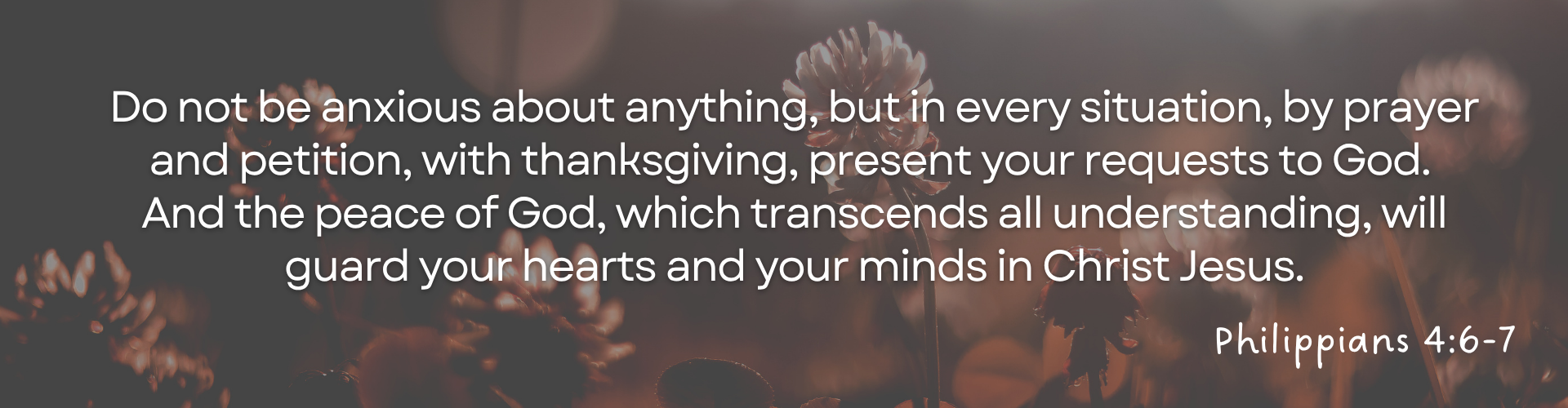
As Psalm 56:3-4 reminds us, “When I am afraid, I put my trust in you. In God, whose word I praise, in God I trust; I shall not be afraid. What can flesh do to me?” This is a truth that meets us in very real, present moments.
Seek Support When Needed & Remember Everyone Needs Help Sometimes
Accepting help is not a sign of losing independence; it’s a way of sustaining it. Regardless of our stage in life, we all need help at times, and accepting that support is part of the beauty of relationships.
Instead of viewing support as a last resort, it can help to:
- Decide in advance where help would be welcome rather than waiting for a crisis.
- Be specific when asking for support, which makes it easier for others to respond.
- View support as partnership, not dependence.
- Start with small areas of help to build comfort and trust
Support—whether from family, professionals, or faith communities—creates space to process change and move forward with greater confidence.

Embrace a New Season of Life
Aging inevitably brings change, but it can also open the door to deeper reflection, stronger relationships, and renewed spiritual growth. With practical support and spiritual grounding, seniors can face the emotional side of aging not with fear, but with hope and joy.
Navigate Aging With Chapel Pointe
At Chapel Pointe, we believe every senior deserves a lifestyle that’s rich in meaning, choice, and dignity. As a faith-based, nonprofit continuing care retirement community (CCRC), our mission is to serve with heart — and it shows. We’re honored to be consistently voted “The Best of Cumberland County” by our greater community.
Tucked into eight scenic acres in Carlisle, Pennsylvania, Chapel Pointe offers so much more than just a place to live; it’s a place to thrive. From concerts and lawn games to church groups and dinner gatherings, there’s always something to look forward to. Our fitness center, dining options, and gardens support all-around resident independence and wellness.
Want to see what enjoyable, comfortable senior living looks like in action? Join us for an event to hear firsthand how our community helps seniors stay happy, in control, and truly feel at home. Contact us today to learn more about how Chapel Pointe can help you or your loved one live vibrantly in every season of life.